
Last updated: November 2026
Planning to travel to Bhutan? Good choice. It’s one of the few places left where a trip still feels like a discovery. But Bhutan also works differently from almost anywhere else you’ve been: there’s a nightly fee, a licensed guide goes everywhere with you, temples have a dress code, and only two airlines fly in.
We’re a team of Bhutanese entrepreneurs based in Thimphu, and these are the questions our guests ask most before they arrive. Here’s everything you need to know before booking a tour in Bhutan, updated for 2026.
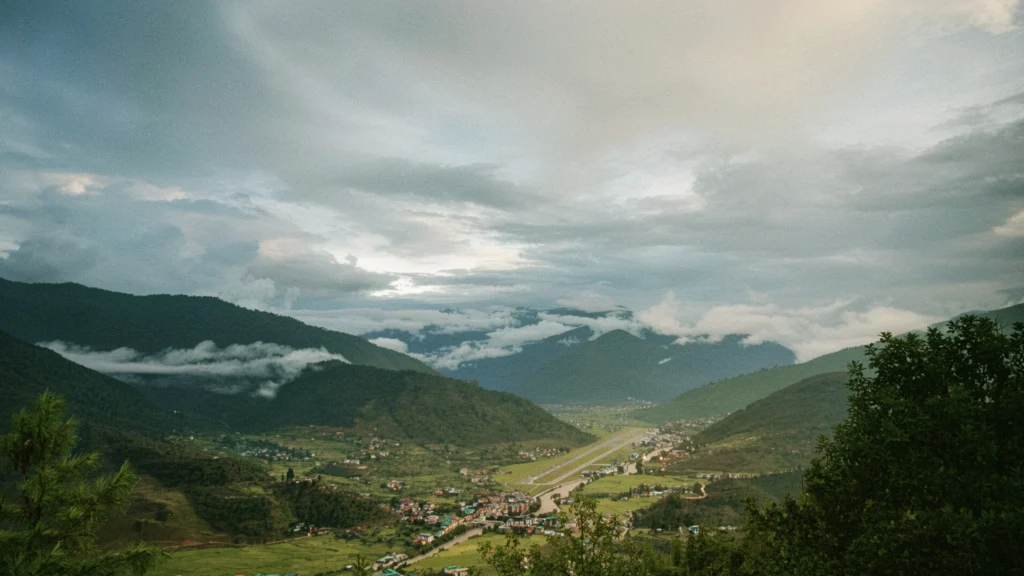
Unless you’re from India, Bangladesh or the Maldives, you need a visa to travel to Bhutan. It costs USD 40, and you apply online before you arrive. In practice, your tour operator usually handles it once your itinerary is confirmed. Your passport needs at least six months’ validity.
Indian nationals don’t need a visa. They receive a free entry permit with a valid passport or voter ID card. Bangladeshi and Maldivian nationals can get a visa on arrival.
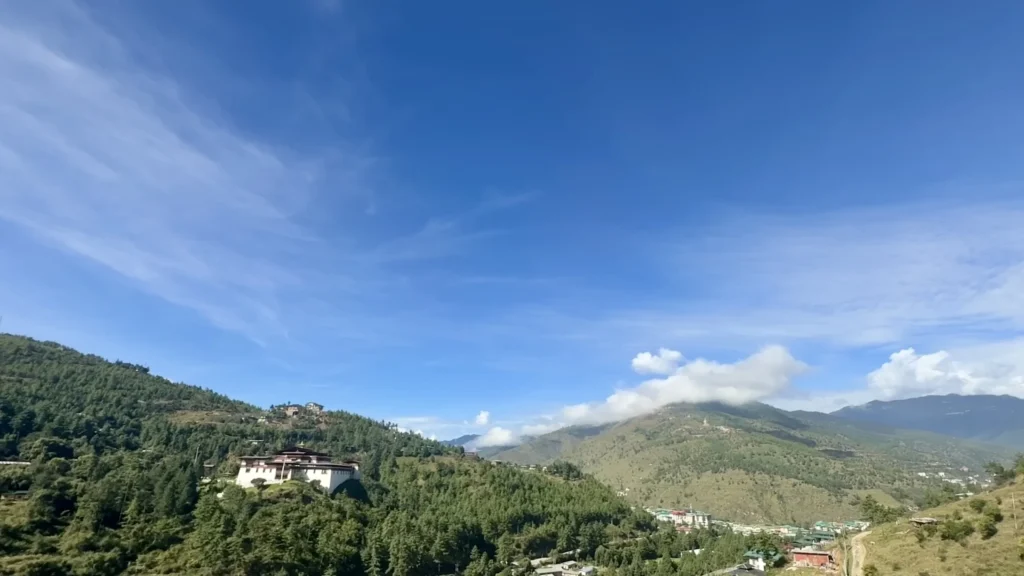
Bhutan’s tourism policy is “high value, low volume”. Instead of chasing visitor numbers, the country charges a nightly Sustainable Development Fee (SDF) that helps fund free healthcare, education and conservation.
Since June 2026, visitors who stay no more than 24 hours in the border towns of Phuentsholing, Samtse, Gelephu or Samdrup Jongkhar don’t pay the SDF.
Your total cost has three parts: government fees, land costs and flights.
Since 1 January 2026, a 5% Goods and Services Tax (GST) applies to hotels, guides and transport. It doesn’t apply to the SDF or the visa fee. For a full breakdown, read our guide to Bhutan travel costs in 2026.
Tip: ask any operator for a quote that shows the SDF, GST and land costs separately. If they won’t, ask why.
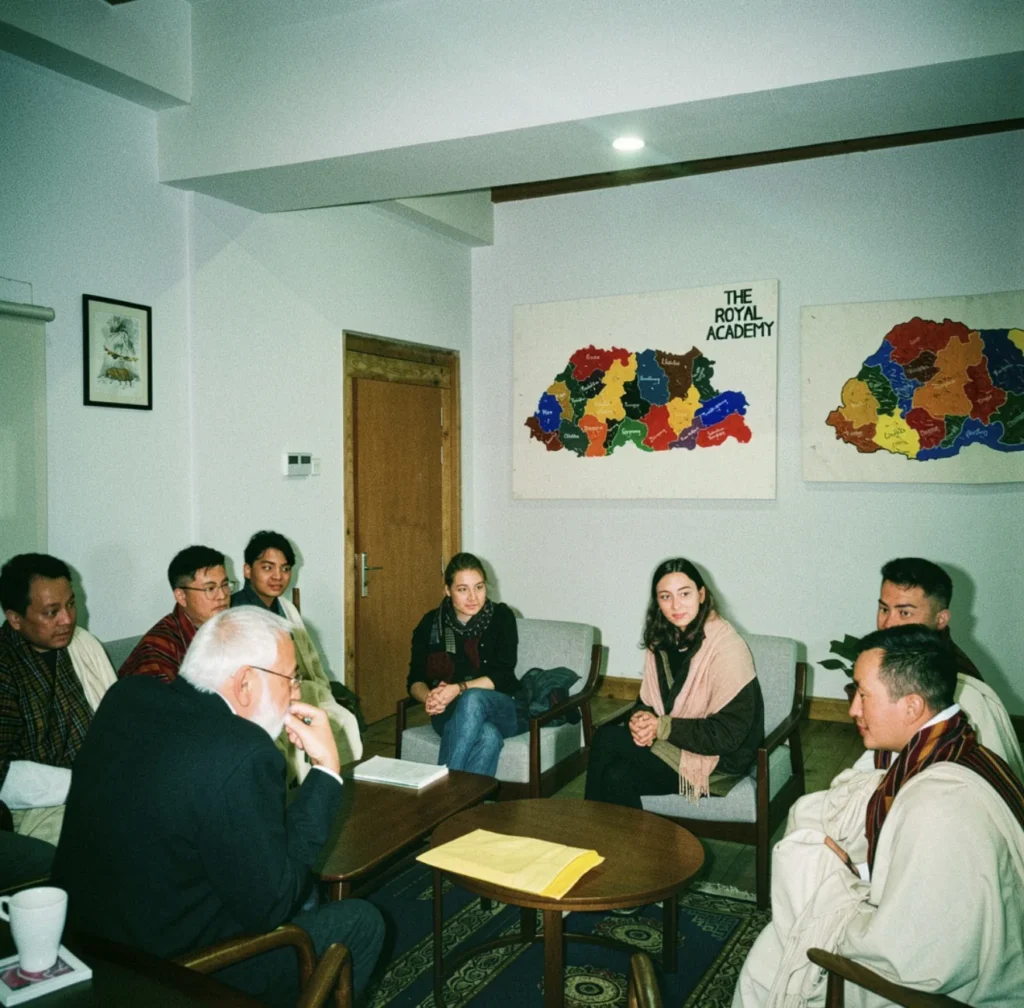
This surprises a lot of people. In April 2026, Bhutan’s Department of Tourism confirmed that all tourists must be accompanied by a licensed guide at all times, including on the drive from Paro airport to Thimphu and when visiting monuments. Treks need a licensed trekking guide.
Don’t see it as a rule to work around. A good guide is the difference between looking at a dzong and understanding it. They’ll explain what the wall paintings mean, translate a conversation with a farmer, and know where to find the best ema datshi in town.
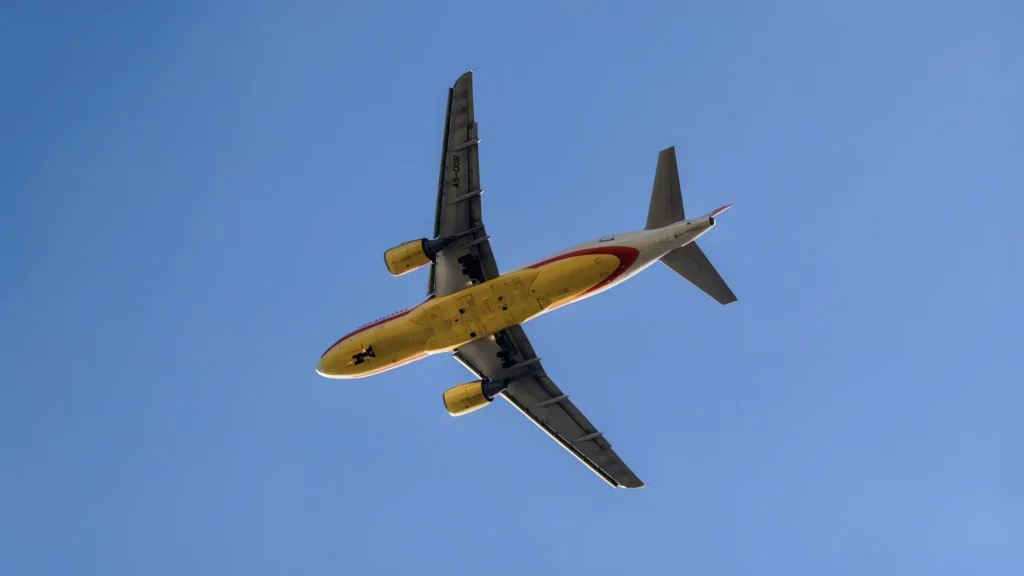
Only two airlines fly into Bhutan: Drukair (Royal Bhutan Airlines) and Bhutan Airlines. Almost all international flights land at Paro, with connections through Bangkok, Delhi, Kathmandu, Kolkata and Singapore. Gelephu, in the south, also has a small number of flights from Kolkata.
The landing at Paro is famous. The plane banks between forested ridges before dropping into the valley, and only specially trained pilots fly the route. Flying in from Kathmandu, sit on the left for a chance to see Everest on a clear day.
You can also enter overland from India through Phuentsholing, Gelephu or Samdrup Jongkhar.

Bhutan is a year-round destination, but each season gives you a different trip.
Read more in our guides to summer in Bhutan and Bhutan’s festivals.
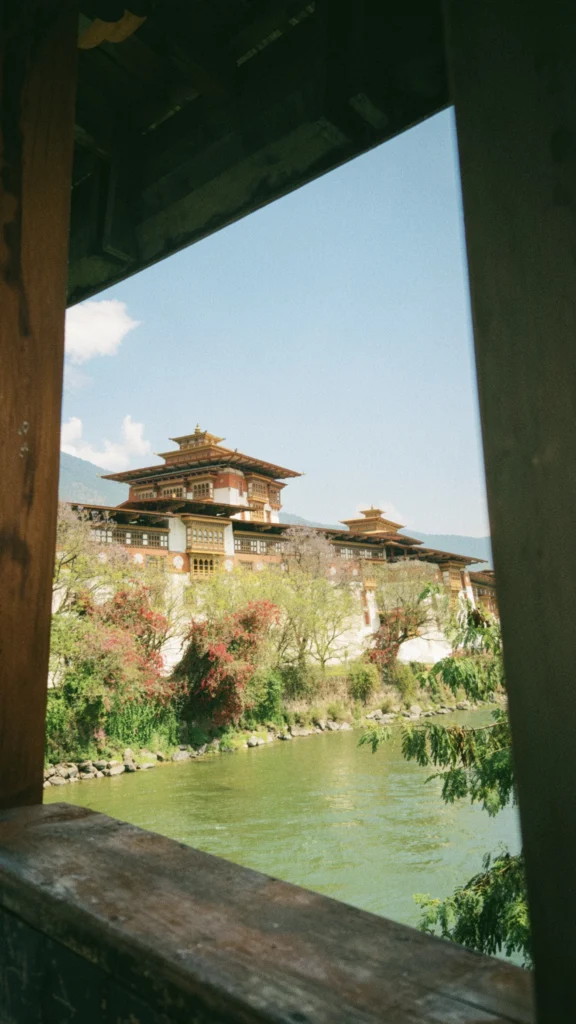
Most first-time visitors spend 7 nights in Bhutan, covering Paro, Thimphu and Punakha. That’s enough to hike to Tiger’s Nest, explore the capital and cross Dochula Pass without rushing. With 10 to 14 nights, you can head east to Bumthang, the country’s spiritual heartland, or into the quiet valleys of Haa and Phobjikha.
Slow down if you can. Bhutan rewards travellers who leave space in the day. For ideas, see the best places to visit in Bhutan and our Bhutan itineraries from 7 to 14 nights.
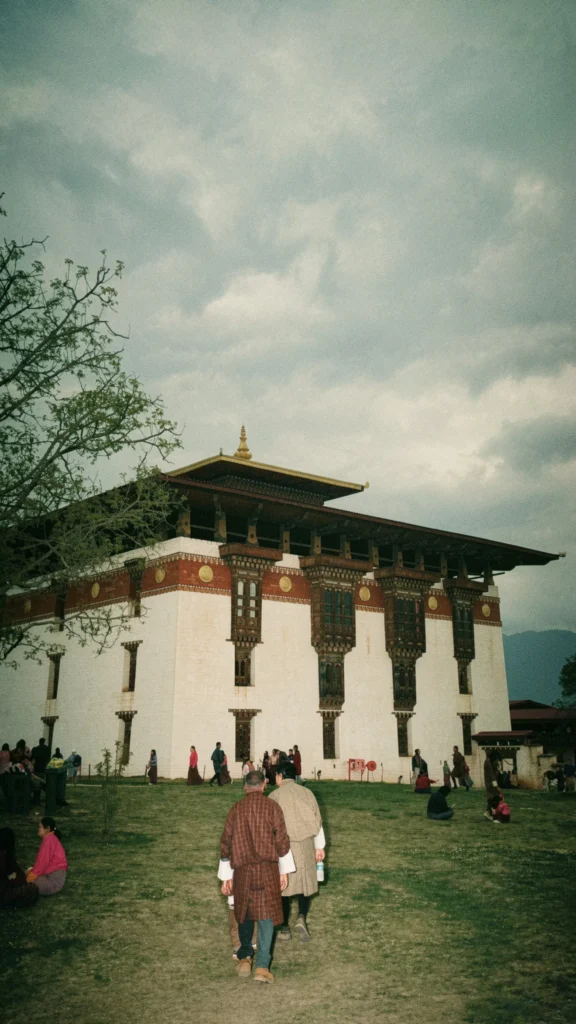
Dzongs are working monasteries and government offices, so there’s a dress code. Cover your shoulders and knees, wear a collared shirt or a jacket, and take off your hat inside. Leave shorts, sleeveless tops and flip-flops for another day.
You’ll notice your guide put on a kabney, a ceremonial scarf, before entering a dzong. It’s a small sign of how seriously these spaces are taken.
You can photograph dzong courtyards and the outside of temples, but photography isn’t allowed inside temples and shrine rooms. Always ask before photographing people, especially monks. Most will say yes, and asking is part of the experience.
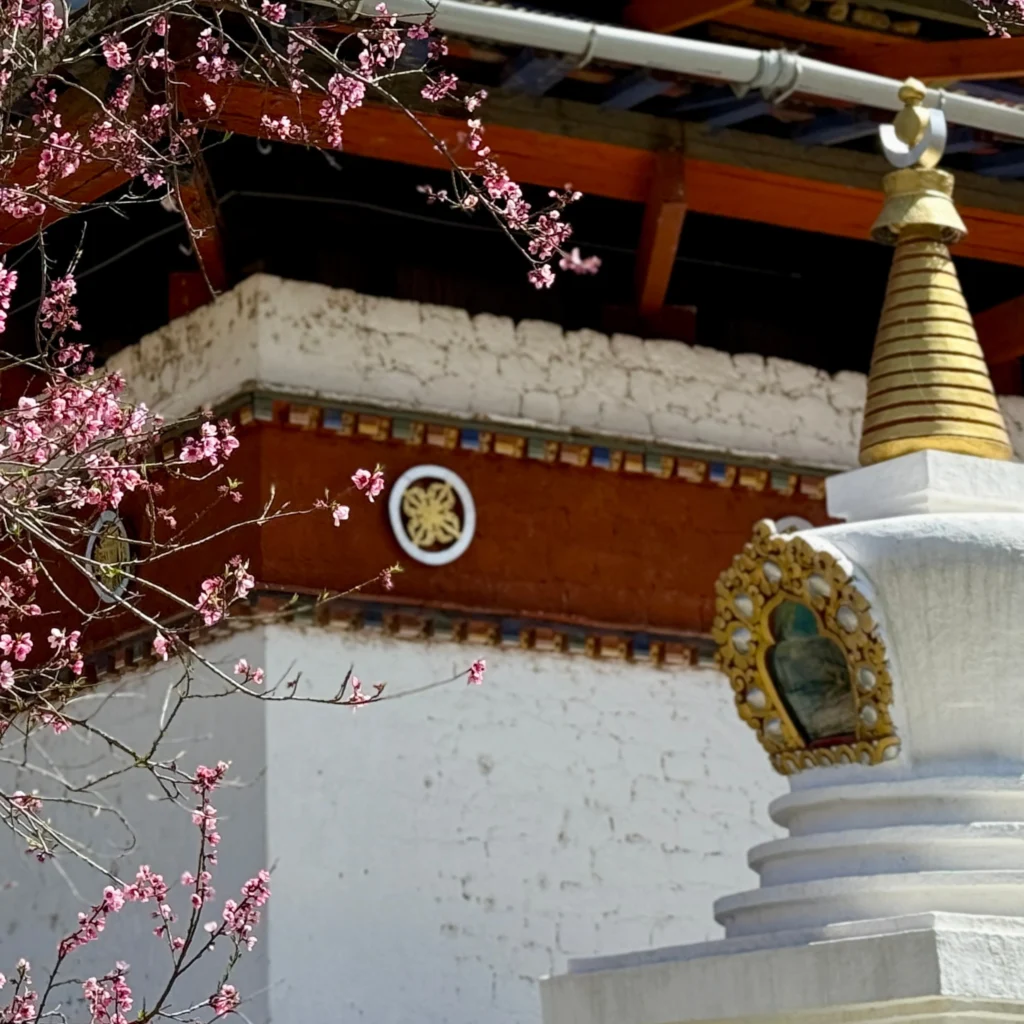
Bhutan’s currency is the Ngultrum (Nu), pegged one-to-one to the Indian rupee. Hotels and larger shops in Paro and Thimphu take cards, but carry cash for markets, small cafés and rural areas. There are ATMs in the main towns, though they don’t always accept foreign cards, so bring some US dollars to exchange.

Paro and Thimphu sit at around 2,200 to 2,400 metres, and passes like Chelela reach almost 4,000 metres. Take it easy on your first day, drink plenty of water, and save the Tiger’s Nest hike (up to 3,120 metres) until you’ve adjusted.
Roads are good but winding, so journeys take longer than the distances suggest. Paro to Thimphu takes about an hour and a half, and Thimphu to Punakha around three hours with a stop at Dochula Pass. If you get carsick, sit up front.
Bhutan has two mobile networks, B-Mobile and TashiCell. Tourist SIM cards are easy to buy with your passport, and 4G works in most valleys. Hotel Wi-Fi is decent in towns and patchy in rural areas. Many of our guests say the patchy bits were the best part.
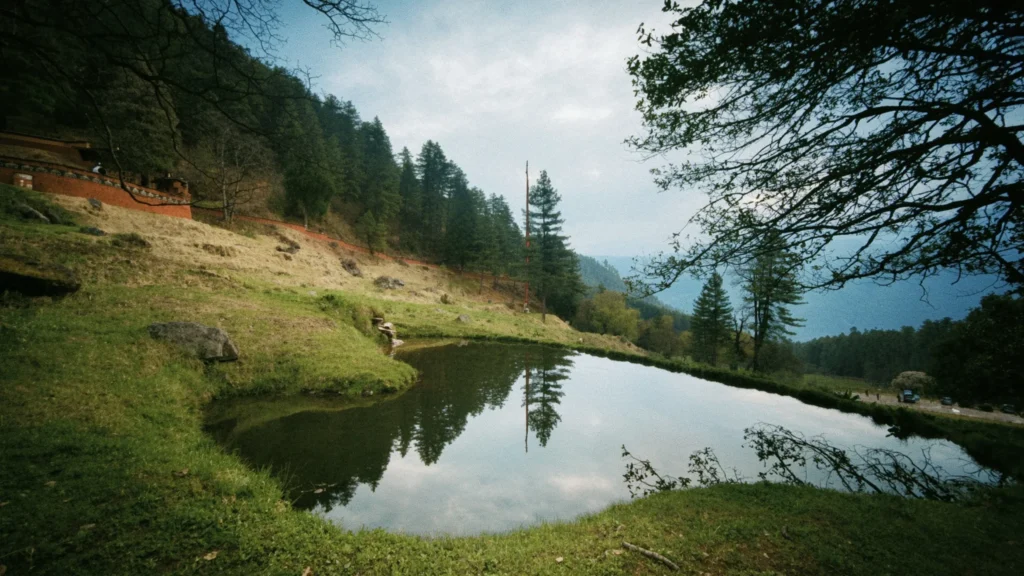
Bhutan is carbon negative, and its constitution requires at least 60% of the country to stay under forest. Plastic bags are banned, so carry a reusable bag and water bottle. Every night you stay already supports conservation through the SDF. The rest is simply about leaving places as you found them.
Bhutan dropped its mandatory travel insurance rule in April 2024, but the Department of Tourism still strongly recommends it. Make sure your policy covers medical evacuation and any treks you plan.
Yes, unless you’re an Indian citizen, who gets a free entry permit. Everyone else needs a visa, which costs USD 40 and is usually arranged by your tour operator before you arrive.
Every adult pays USD 100 per night in SDF. On top of that come land costs for hotels, your guide, transport and meals, plus 5% GST on those services. Your choice of hotels makes the biggest difference to the total.
Not fully. You can travel solo, but a licensed Bhutanese guide must accompany you throughout, and your accommodation and transport need to be arranged in advance.
Spring (March to May) and autumn (September to November) have the clearest weather and the biggest festivals. Summer is green and quiet, and winter is cold, clear and peaceful.
Seven nights covers Paro, Thimphu and Punakha comfortably. Allow 10 to 14 nights to include central Bhutan or the less-visited valleys.
Yes. Bhutan is a very safe country to travel in, with low crime. The main things to plan around are altitude, mountain roads and weather, and a good guide does exactly that.
Founders Travel is run by Impact Hub Thimphu, a team of Bhutanese entrepreneurs. Our journeys are built around Gross National Happiness: real conversations, slow days and the places most visitors drive straight past. Whether you want a 7-night first visit or a private retreat for your team, we’ll design it around you.
Explore our Bhutan journeys or tell us what you’re looking for.